
Make 2019 count - Buy less; buy smarter
by Gael Pawson 2 Mar 2019 01:00 PST
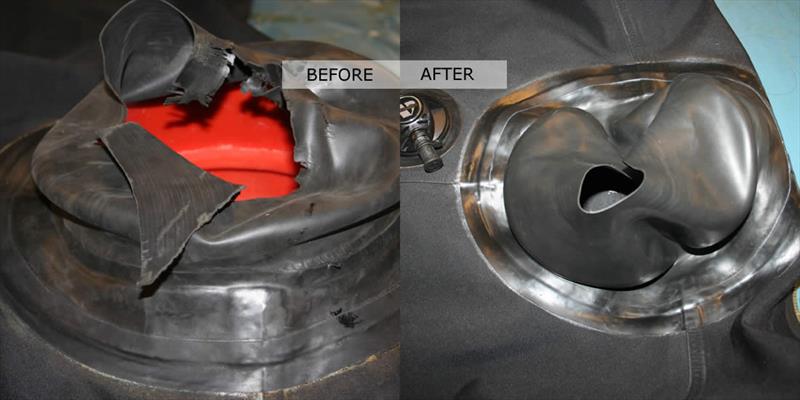
Repairing a drysuit neck seal © Drysuit Doctor / drysuitdoctor.co.uk
The first step in minimising our impact on the planet is to reduce our consumption. Even if what we buy is fully recyclable, energy needs to be used to recycle it, and so one of the biggest differences we can make is simply to buy less.
Every time we delay the purchase of a new jacket, or wetsuit, we reduce the number of products we need over our lifetime. This applies to every single bit of kit we own, as well as our sailing craft and its sails, cover, fittings... everything.
There are a number of ways we can do this:
- Prolong the life of our stuff as much as we can.
- Buy secondhand where we can.
- Make sure the stuff we do buy has the minimum impact possible e.g. it is reusable, recyclable and ultimately compostable if possible.
- Buy quality over quantity.
Why not challenge yourself to avoid buying any new clothing or other consumable products for a month, or each time you do decide you want to buy something this year, try delaying that purchase by just a month or two. Beware sales, which can encourage you to buy things you don't really need or the wrong items. Every time you do purchase, give yourself some breathing time to decide if you really do need it or if you can wait.
Prolonging the life of products
Many items are made from materials that aren't very good for the environment, with a lot of high tech synthetic fabrics, which aren't recyclable. Take wetsuits as just one example while there are a few companies developing more natural and sustainable fabrics (like Zhik's Eco Wetsuit), but most are made of neoprene, which isn't recyclable. With this in mind it's even more important to extend the product's life where we can.
Salt water and sunshine are particularly harsh on everything; they are harsh on our bodies as well as the clothing we wear and boats we sail in. Washing your kit out after every sail and storing it in a well-ventilated, dry environment will make a huge difference to its life. Far too many items get replaced because of corroded zips, which have deteriorated over the winter months. Hosing down your boat and sails properly and protecting them with a (high quality so it works well and doesn't need replacing so often) cover will make a big difference to the longevity of everything. If saving your money alone isn't enough of an incentive, how about the added incentive of being kinder to the planet!
Check out manufacturer sites for care guides, specialist re-proofing washes or sprays are great for restoring coatings on waterproof kit or for sails.
Make do and mend
Mending you kit can prolong its life by quite a lot; not only does this save you money it also saves yet another item entering the supply chain. Increasingly manufacturers are offering mending services, especially some of the pioneers in sustainable kit like Patagonia and Finisterre. Drysuit seals can be replaced instead of the whole suit being ditched for example, Trident and Hammond offer repair services.
Remember, even if there is a significant cost involved in getting your kit fixed, you are reducing your consumption, which is an added benefit of delaying purchasing a new product. Simpler repairs can be done yourself; there are plenty of step-by-step guides to help you, like this video on wetsuit repair.
Buying used
Boat jumbles are a great place to pick up second-hand or nearly new items. How about organising a kit swapping or nearly new sale at your sailing club? It could be a vehicle to raise funds for the club, raise awareness among members as well as reduce consumption of new items. This is particularly ideal for younger sailors who grow so fast and might only wear a wetsuit or lifejacket for a very short while.
Buying the right products
Take time over your purchases and buy the right product rather than rushing or compromising. Over the course of this series of articles we will look at some specific product groups, like clothing, but as a general guide look for materials that are as natural as possible - for those that aren't going to be compostable at the end of their life - look for recyclability and look at items made closer to home, so you are reducing the amount of energy used to transport them.
Look for quality so your items last longer and you don't need to consume as many of them. And make sure you like it; if you end up buying a colour or design you're not so keen on just because it was cheaper, you're not going to enjoy wearing it and you are more likely to end up replacing it earlier. A very valid excuse to buy that really lovely pair of gloves you were looking at instead of the cheap ones.
Pick products that are flexible and try to rationalise and simplify your kitbag. It will make packing easier, make it easier to keep on top of looking after your kit and help to ensure it gets a full life of use.
Finally look for natural, compostable materials and companies that offer a recycling or mending scheme.