How space pictures can help save Australia's Great Barrier Reef
by James Cook University on 29 Apr 2014
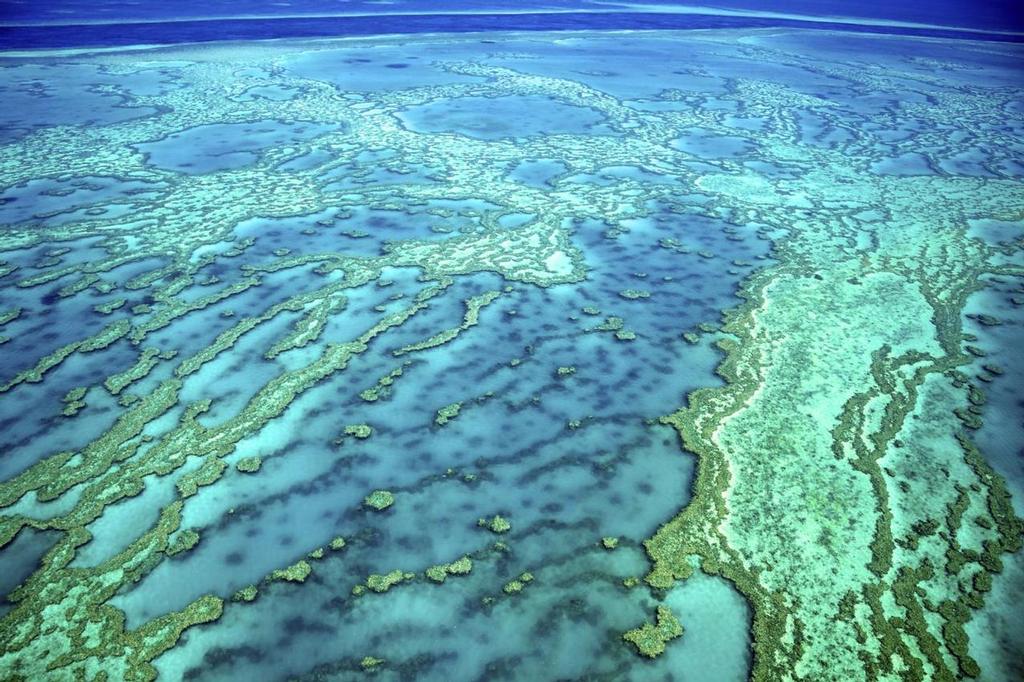
Great Barrier Reef SW
James Cook University researchers are using images from NASA satellites to help protect Australia's Great Barrier Reef from polluted land run-off. Researchers have developed a new technique that analyses the images to assess coastal water quality from space.
Many important habitats in the Great Barrier Reef such as coral reefs and seagrass are in decline and one important driver of this decline is poor water quality.
Heavy rains and cyclones during the wet season scour mud and pollutants, such as fertilisers and pesticides, from land. The resulting river flood plumes are the main way polluted water travels to the Great Barrier Reef.
Researchers from TropWATER at James Cook University, who regularly monitor the duration and impacts of flood plumes in the Great Barrier Reef, have proved that publicly available satellite imagery can be effectively used to map the extent, nutrient content and muddiness of flood plumes.
Traditional methods of monitoring flood plumes require scientists to use submerged data loggers, or boats and helicopters to gather water samples.
These methods are expensive, labour intensive, and cannot be collected everywhere.
Dr Caroline Petus from TropWATER at James Cook University is the lead author of two studies that use the new technique.
'Despite technical challenges, satellite time series provide the spatial and long-term window necessary for understanding water quality variability inside Great Barrier Reef coastal waters, and provide the baseline information to assess changes to important ecosystems, such as seagrass beds', said Dr Petus.
She said these studies are first steps toward the development of river plume risk maps for Great Barrier Reef seagrass and coral ecosystems.
'Combined with ecological and in-situ water quality data, these maps will help our understanding of the resilience of these ecosystems to water quality changes. In the near future they should help us predict ecosystems’ health changes associated with human activities or climate change', said Dr Petus.
Project Leader, Dr Michelle Devin said the Australian Government Reef Programme aims to improve the quality of water entering the Great Barrier Reef by enhancing land management practices.
'These new monitoring techniques, with other ongoing risk assessments, will help prioritise how money can be spent to get maximum outcomes for the reef', said Dr Devlin.
Seagrass expert and co-author, Dr Michael Rasheed, says the information will help researchers understand the impact of flood plumes, ultimately leading to better management of the Great Barrier Reef.
'It is often difficult to determine whether declines in seagrass beds are due to polluted river run-off or coastal development such as dredging around a port. This new tool will allow us to better understand which activities are driving declines', Dr Rasheed
JCU website
If you want to link to this article then please use this URL: www.sail-world.com/121603